
How to Market Privacy Without Falling Into the Privacy Washing Trap
Consumers have gotten good at spotting privacy washing. "Your privacy is important to us" doesn't land anymore. The brands building real credibility aren't making bigger promises — they're showing their work.
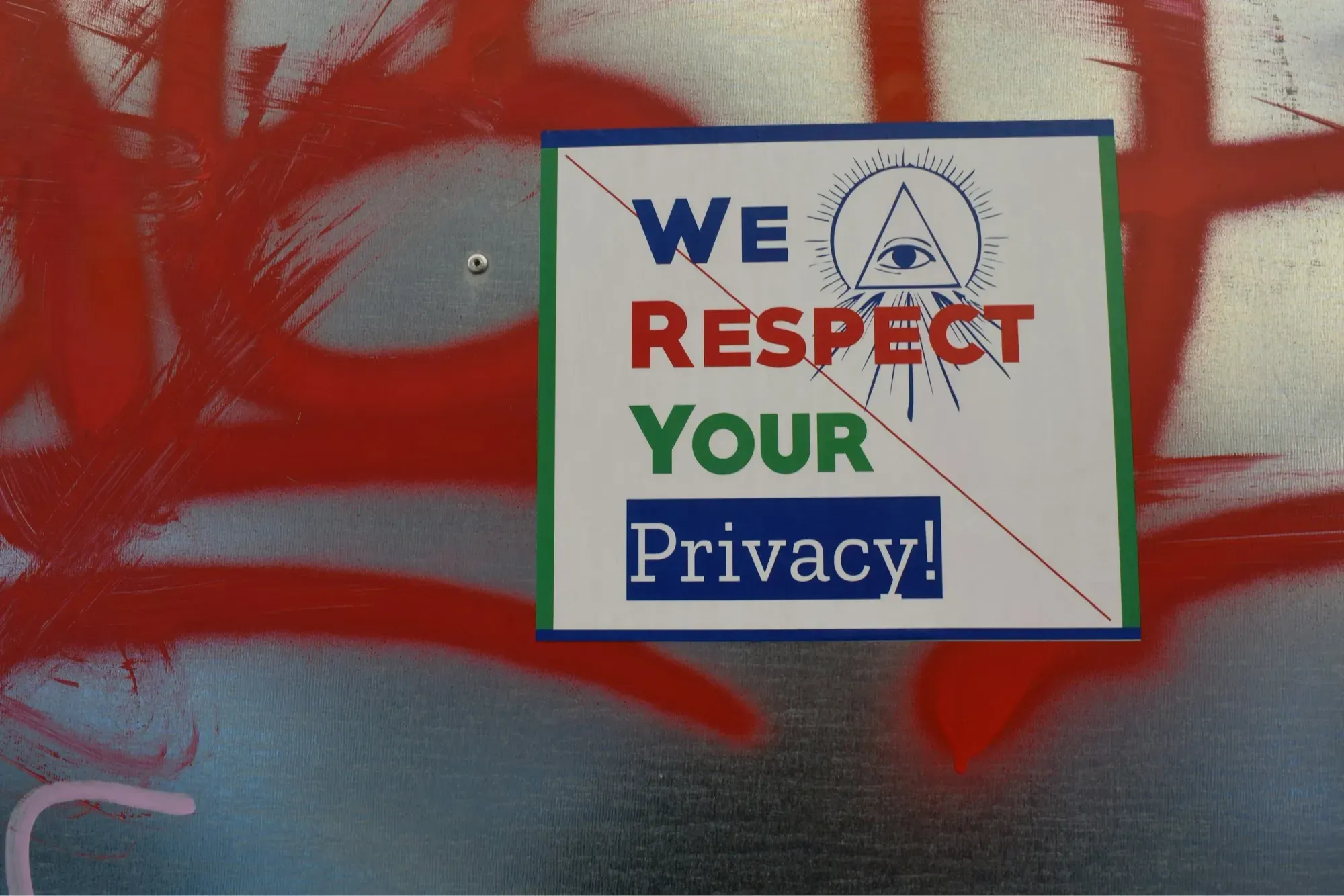
A practical guide for marketing and PR professionals who want to build genuine trust
You've probably seen this everywhere: "Your privacy is important to us." A phrase so ubiquitous it's practically meaningless. And that's exactly the problem.
A recent article from Privacy Guides titled "Red and Green Privacy Flags" breaks down how consumers are getting better at spotting "privacy washing" — the practice of misleadingly, or fraudulently, presenting a product, service, or organization as being trustworthy for data privacy, when in fact it isn't. As marketers, we need to understand these signals not just to avoid them, but to build genuinely trustworthy privacy communications.
Here's how to navigate this landscape without accidentally undermining your brand's credibility.
The Problem: Everyone Says the Same Thing
Buzzwords like "military-grade encryption", "privacy-enhancing", and the reassuring classic "we never sell your data" (but we will share it willingly) get thrown around like candies falling off a privacy-preserving-piñata. But here's the thing — your audience is getting smarter. They know how to spot the red flags.
Here’s what savvy consumers look for (the red flags you want to avoid):
1. Conflict of Interest Red Flags
A conflict of interest is one of the biggest red flags to look out for, and it comes in many forms, including sponsorships, affiliate links, parent companies, donations, employment, personal relationships, etc.
For your marketing: Be transparent about partnerships and data-sharing arrangements. If you're partnering with a data broker for attribution, don't hide it in paragraph 47 of your privacy policy.
2. The "Forced Cooperation" Spin
Spinning regulatory investigations or audits into something that sounds favorable to the corporation is a form of privacy washing. Most organizations would not be "working with" the privacy regulator if they hadn't been forced to in the first place.
For your marketing: Don't try to spin regulatory compliance as a form of voluntary leadership. Instead, focus on what you're doing beyond the minimum requirements.
3. Vague, Meaningless Language
When your copy could apply to literally any company, you're not building trust — you're contributing to the noise. Instead of: "We take your privacy seriously." Try: "We delete your browsing data after 24 hours and never sell it to third parties" (with specifics about your actual practices).
The Opportunity is Building Real Trust
The good news? There are red (and green) flags we can look for to help us. Understanding what builds trust gives you a competitive advantage.
Here are some green flags that build credibility:
1. Community Consensus
If your tool or product is repeatedly recommended by multiple experts (not websites or influencers, but real domain experts), then this can be a green flag that the community generally trusts the tool or service.
Pro Tip: Seek endorsements from seasoned privacy experts, not just influencers. Feature testimonials from verified professionals who actually understand your technical implementation. Their feedback is a gift.
2. Transparency in Action
Show, don't tell. If your app doesn't require account creation, lead with that. If you delete user data after specific timeframes, make it prominent.
Pro Tip: Lead with privacy features in your product messaging, not just in the fine print. If your chat app doesn't store message history on servers, make that a headline feature. If you auto-delete user activity after 30 days, put it on your homepage. Create comparison pages that show what you don't do compared to competitors. Turn your privacy practices into competitive advantages that sales and marketing can actually discuss, rather than legal disclaimers hidden in fine print.
3. Proactive Communication
Address the elephant in the room. If your business model requires collecting certain data, explain why and how you protect it.
Pro Tip: When introducing a new feature that requires data collection, announce it with a blog post or email that clearly explains the trade-off. For example: "Our new fraud detection system analyzes purchase patterns, which means we'll retain transaction data for 90 days instead of 30. Here's why we think this protects you, and here's how to opt out if you prefer not to participate." Don't wait for users to discover changes in a privacy policy update. If you’re fearful of them finding out what you’re doing, that’s a huge red flag that you’re violating user trust.
Practical Steps for Improvement
1. Audit Your Current Messaging
Go through your website, ads, and privacy policy. Count how many times you use generic privacy phrases without backing them up with specifics. That's your starting point. If this sounds overwhelming, you're not alone – we do this for busy clients all the time and help them set up tracking mechanisms to flag when updates are needed. The key is starting somewhere, even if it's just your homepage and main landing pages.
2. Get Specific About Your Practices
Work with your legal and product teams to identify concrete privacy practices you can highlight, such as:
- Data retention periods
- Third-party integrations (or lack thereof 🤩)
- User control options
- Technical safeguards
3. Test Your Claims
Use a search engine to look for related news using keywords such as the company's name with "data breach", "fined", or "privacy". Do this exercise on your own company. What comes up? Address any concerns proactively. Then ask your favorite AI agent. Rinse and repeat regularly.
4. Focus on User Benefits
Instead of talking about how much you care, focus on what users get:
- "Download all your data in one click."
- "Your messages are encrypted, so even we can't read them."
- "No tracking pixels in our emails."
The Long Game: Building Genuine Privacy Leadership
Privacy isn't just a term on your SEO bingo card — it's a genuine differentiator. The companies that will win long-term are those that build privacy into their business model from the ground up, not those that try to marketing-speak (or worse, LeGaL sPeAk!) their way around poor practices.
The companies that will win long-term are those that build privacy into their business model from the ground up, not those that try to marketing-speak their way around poor practices.
Questions to ask your team:
- If an independent expert (or regulator! 😰) were to audit our actual practices (not just our policies), what would they find?
- What would we need to change to make our privacy marketing completely truthful?
- How can we give users more control, not just more reassurance?
Privacy washing isn't just ethically questionable — it's a business risk as consumers get savvier at spotting it. The opportunity lies in being one of the companies that actually delivers on privacy promises.
Your marketing will be more effective, your legal team will sleep better, and your customers will actually trust you. In a world full of empty "your privacy is important to us" statements, genuine privacy practices are truly a competitive advantage.