
Embracing Morbid Curiosity: What Horror Fans Can Teach Us About Incident Response
Horror fans showed greater psychological resilience during COVID because they practiced emotional regulation through scary scenarios. Security teams can apply the same principle -- frequent, varied incident comms drills build resilience by simulating crises in psychologically safe environments.
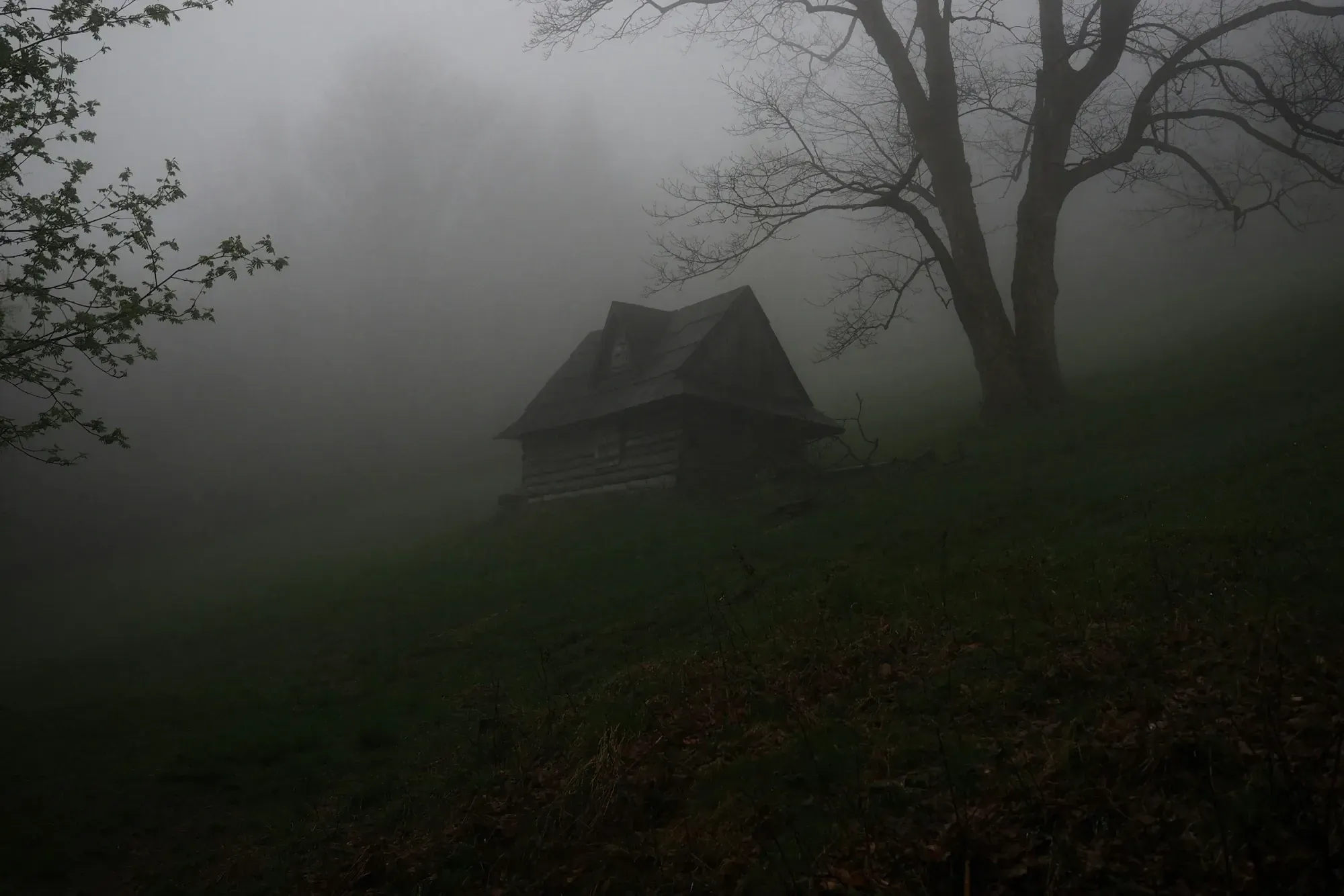
When psychologist Coltan Scrivner surveyed people during the early months of the COVID-19 pandemic, he discovered that horror movie fans showed greater psychological resilience and less distress than their peers who avoided scary content. Even more intriguing, people who regularly watched "prepper" genres like zombie apocalypse and pandemic films reported feeling more prepared for the crisis unfolding around them.
This finding was interesting to me and I wondered if there’s anything we can learn from this research to better understand how to build resilience in incident response teams.
Understanding Morbid Curiosity
Scrivner defines morbid curiosity as an interest in information about danger or threats. As he's quick to point out, "morbid" refers to the content itself (things that could lead to harm), not that curiosity itself is unhealthy. In fact, his research suggests that morbid curiosity serves an adaptive function, helping us learn about dangers without experiencing them firsthand.
From an evolutionary perspective, animals that are curious about predators (from a safe distance) have a better chance of survival than the one that remains blissfully ignorant until the threat is immediate. Humans take this a step further through our capacity for storytelling and fictional simulations, where we can learn about threats through narratives, practicing our responses long before we face real risk.
In their 2021 study published in Personality and Individual Differences, Scrivner and his colleagues found that engagement with frightening fictional experiences acts as a kind of simulation that allows us to gather information and model possible scenarios in a safe environment. During the pandemic, this translated into measurable benefits as horror fans experienced less psychological distress, and fans of apocalyptic genres reported being better prepared for the disruptions that followed.
The Incident Response Parallel
As I thought about this more in the context of incident response preparedness, I noted a few parallels. Just as horror fans practice emotional regulation by repeatedly exposing themselves to controlled fear, incident response professionals can build psychological resilience through regular drill scenarios. Each tabletop exercise or simulated incident is an opportunity to experience the stress, uncertainty, and pressure of a real incident without the actual business impact, data loss, or career consequences.
In my work, this extends beyond technical skills or even practicing procedures and refining playbooks because the psychological dimension is just as important. Scrivner's research suggests that the kind of drills Discernible runs for our subscribers every week can help them build emotional regulation under pressure and mental libraries of threat scenarios. Frequent exposure to simulated stimuli helps build resistance to a fight-flight-or-freeze response because you’re learning how to keep your analytical brain engaged even when adrenaline is flowing. Each Discernible Experience adds to your repository of "what could go wrong" patterns. Like horror fans who've internalized countless variations of danger, security professionals who drill regularly develop richer mental models of how attacks unfold, where things typically break down, and what unexpected complications might emerge.
To help security teams build genuine resilience, we need to understand how people learn from controlled exposure to danger. Scrivner's research emphasizes that horror works because it provides a "safe space" to experience danger. The horror fan knows they can walk out of the theater, and participants in our drills know the debrief is coming in an hour. This psychological safety is crucial because without it, the experience becomes genuinely traumatic rather than training.
We added an additional layer of safety to Discernible Experience by having participants practice with industry peers rather than their own teams. You're not performing in front of your boss or colleagues who might judge your decisions. This removes the career risk that often makes internal tabletops feel high-stakes. You can ask "dumb" questions, make mistakes, try unconventional approaches, and admit uncertainty without worrying about how it looks on your next performance review. The psychological safety to experiment supports genuine learning.
But within that safe container, unpredictability matters. Horror movies are scary because you don't know exactly what's coming next. Similarly, the most valuable drills maintain some element of surprise. If participants can predict every twist, they're following a script, not practicing real-time decision-making. This tension between safety and unpredictability shaped the core design decisions of Discernible Experience.
Critically, weekly drills prevent the "cramming" problem common to many tabletops, which occur so infrequently that they become high-stakes events people dread. The pressure is often so intense that it interferes with learning and retention. Weekly simulations normalize the experience as part of how your team operates, not a special occasion to be anxious about.
Different Every Time
The second key insight from Scrivner's research is that variety matters. Most horror fans don't watch the same movie over and over. They seek out different subgenres, different types of scares, and different threats. This variety prevents desensitization while building a broader repertoire of responses. Similarly, if we practiced the same incident scenario every week, we’d end up memorizing a script rather than building genuine adaptability.
We design each Discernible Experience to be different:
- Different incident types: The communication demands of a ransomware attack differ from those of an insider threat or a supply chain compromise. Each incident type creates different stakeholder concerns, different information gaps, different pressures on what to say and when.
- Different stakeholder dynamics: Sometimes you’re managing upward to executives who want immediate answers you don’t have. Other times you’re fielding questions from customers, or coordinating messages across legal, PR, and engineering teams with competing priorities.
- Different states of information: Some drills put you in the fog of early incident response, when you know something is wrong but not what or how bad it is. Others place you mid-incident when you understand the problem but are still containing it. Still others focus on post-incident communication when you know what happened but must decide what to disclose.
- Different communication channels: One week, you’re drafting internal status updates and the next you’re preparing talking points for a customer call. Then you’re crafting a post mortem or responding to board member questions.
This variety prevents the experience from becoming rote while ensuring participants build communication skills that transfer across incident types, ultimately developing the judgment to know what information matters to which audiences, how to communicate clearly under uncertainty, and how to maintain credibility when the situation is still evolving.
The Right Amount of Challenge
Finally, Scrivner's framework suggests there's an optimal level of exposure to frightening content. Too little and you don't build resilience; too much and you risk desensitization or even trauma.
We found that sweet spot in the combination of short and frequent sessions. One hour of high-intensity simulation is enough to activate stress responses and force real decision-making, but not so much that people burn out. Weekly repetition builds resilience through consistent practice, but the variety prevents desensitization.
If drills become rote or predictable, you've lost the beneficial tension and folks go through the motions without genuinely engaging. If they're so intense that people dread them, you've crossed into harmful stress. One-hour weekly drills, different every time, keep people in that productive middle ground where they're challenged enough to grow but safe enough to experiment and learn.
Putting It Into Practice
If you're designing an incident response program, consider these questions through the lens of Scrivner's morbid curiosity research:
- Does your team have enough exposure to simulated threats to build resilience, or are drills so infrequent that each one feels novel and overwhelming?
- Are your drills predictable enough that people feel safe, but unpredictable enough that they're still practicing real-time decision-making?
- Do you track psychological outcomes alongside technical performance? Are people building confidence or developing anxiety?
- Are you creating opportunities for "morbid curiosity,” meaning letting team members explore new ideas in safe environments?
The goal isn't to turn your security team into horror fans (though if they already are, that might be a promising sign). The goal is to borrow what works from how humans have always prepared for danger, through controlled exposure, storytelling, and practice that feels real enough to matter but safe enough to learn from.
Horror movies won't teach you how to respond to every attack, but the psychology of why horror fans thrived during a pandemic might teach us how to build security teams that can face any incident with resilience, capability, and maybe even a little bit of that morbidly curious excitement about seeing what happens next.
Want to build your team's incident communication resilience? Learn more about Discernible Experience — our weekly drills designed around the psychology of how people actually learn from controlled exposure to crisis scenarios. Or contact us to discuss how we can help your team build the communication capabilities and psychological readiness you need before the next incident hits.